Oral Cancer Surgery
Comprehensive Oral Cancer Surgery with a Focus on Cure,
Function and Quality of Life
A diagnosis of oral cancer brings uncertainty. The right surgical plan brings clarity. Every treatment is carefully planned to remove the disease while preserving speech, swallowing, appearance and quality of life whenever safely possible.
A Diagnosis of Oral Cancer Changes Everything
With the diagnosis of oral cancer, in a matter of days, life becomes filled with scans, biopsy reports, medical opinions and uncertainty. Questions about surgery, recovery, eating, speech and the future often become more frightening than the diagnosis itself.
At this stage, patients are not simply looking for treatment. They are looking for clarity. They want to understand their disease, know what lies ahead and feel confident that every decision being made is the right one.
The purpose of the first consultation is therefore not to rush into surgery. It is to understand the disease completely, discuss every available treatment option and develop a plan that is scientifically sound, surgically appropriate and centred around the individual patient.
Because successful treatment begins long before entering the operating room.
Understanding Oral Cancer
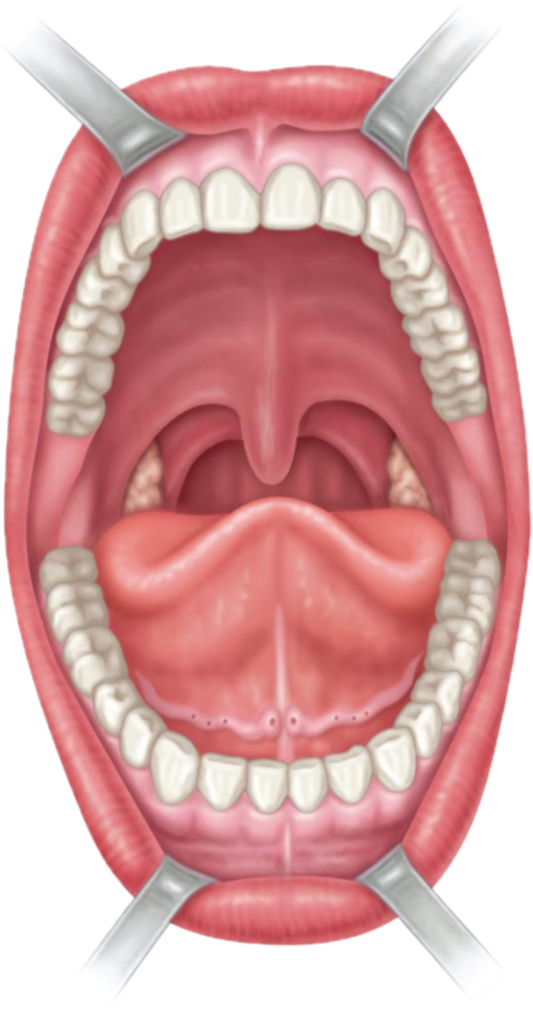
Oral cancer is not a single disease. It can arise from different parts of the mouth, including the tongue, inner cheek (buccal mucosa), gums, floor of the mouth, hard palate and lips. Although these cancers share the same diagnosis, they differ significantly in their behaviour, treatment and expected recovery.
The location of the tumour influences how surgery is performed. The size and depth of the cancer determine the extent of surgery required. In some patients, the jawbone or surrounding structures may be involved. In others, treatment of the lymph nodes in the neck becomes equally important.
For this reason, no two patients receive exactly the same treatment. Every recommendation is based on a careful understanding of your disease—not simply the name of the diagnosis.
The first and most important step is not surgery—it is understanding your disease completely.
✓ Exact location of the cancer
✓ Size and depth of tumour
✓ Whether the jawbone is involved
✓ Whether lymph nodes are affected
What Defines Successful Oral Cancer Surgery?
The true success of oral cancer surgery is not measured by what is removed, but by what can be preserved. Every decision made in the operating room influences how a patient will speak, swallow, smile, eat and live after treatment. Achieving that balance demands careful planning, oncological precision, functional preservation and advanced reconstructive techniques.
Oncological Precision
Every surgery begins with one priority—complete cancer removal with appropriate surgical margins while following internationally accepted oncological principles.
Functional Preservation
Wherever safely possible, surgery is planned to preserve speech, swallowing, chewing, facial movement and overall quality of life.
Reconstruction
When tissue removal is necessary, reconstructive surgery helps restore both function and appearance, enabling patients to return to everyday life with confidence.
“The success of oral cancer surgery is measured not only by what is removed… but by what can be preserved.”
— Dr. Siddharth Shah
How Is Oral Cancer Approached?
Consultation & Clinical Evaluation
Your journey begins with a detailed consultation and thorough examination. Previous reports, biopsy results and symptoms are carefully reviewed to understand both the disease and your individual treatment priorities.
Radiological Assessment of Disease
Advanced imaging such as contrast CT scans , MRI of the neck or whole body FDG PET-CT helps accurately define the location, size and loco regional extent of the tumour and distant metastatsis allowing precise surgical planning before treatment begins.
Personalized Treatment Planning
No two oral cancers are the same. Every treatment plan is individualized based on tumour location, stage, involvement of surrounding structures, expected functional outcome and your overall health. Whenever appropriate, treatment decisions are made through a multidisciplinary approach.
Definitive Surgical Management
The goal of surgery is complete removal of the cancer while preserving speech, swallowing, facial appearance and quality of life whenever oncologically safe. Every operation is tailored to the individual patient needs rather than following a standard procedure.
Recovery & Long-Term Follow-up
Recovery continues beyond the operation. Rehabilitation, nutritional guidance, speech and swallowing support, regular surveillance and long-term follow-up are essential components of comprehensive oral cancer care.
Oral Cancer Treatment based on Tumour Location
Oral cancer treatment for different subsites is primarily aimed at complete clearance of the cancer with adequate clear margins. The surgical clearance might be limited to one subsite or may overlap to adjacent subsite. These may affect functions related to speech, swallowing, chewing and facial appearance. Because of this, treatment is always tailored to remove the cancer completely while preserving normal function as much as safely possible and restoring it whenever required with adequate reconstruction.
Tongue Cancer Surgery
The oral tongue which is the major part (70%) of the total tongue plays a vital role in speech, swallowing and taste. The rest of the tongue is called base tongue (30%). Surgery is the primary treatment for most cancers arising from the oral tongue. The goal is complete tumour removal with adequate margins while preserving tongue movement and function whenever oncologically safe..
Depending on the extent of disease, treatment may range from removal of a small portion of the tongue to more extensive surgery with reconstruction to restore speech and swallowing. Small tongue defects can often be closed directly or allowed to heal with specialized dressings. Larger defects (approximately more than 30% of tongue volume for that patient) usually require reconstruction to restore tongue volume and improve long-term speech and swallowing. Tissue for reconstruction is usually taken from the forearm, thigh or occasionally the lower leg, depending on the size and location of the defect. The reconstructed tongue restores volume and helps improve swallowing and speech, but it cannot completely reproduce the strength, sensation and movement of a normal tongue. For such reconstruction, flaps can be harvested either from forearm, thigh or calf region of the body.
Speech after surgery depends largely on how much mobile tongue can be preserved. Most patients remain understandable in everyday conversation, although pronunciation of certain sounds may change after larger resections. Early diagnosis often allows smaller operations, resulting in better speech, swallowing and overall functional outcomes.
Preserving function begins long before reconstruction. Careful surgical planning focuses on to save as much healthy, mobile tongue as is safely possible because the patient’s own tongue always provides the best speech and swallowing function. Reconstruction complements preservation—it cannot replace it.
Recovery: Speech and swallowing improve progressively with healing and rehabilitation. With support from speech and swallowing therapist, most patients adapt remarkably well even if a major portion of the tongue needs to be removed.
Buccal Mucosa (Inner Cheek) Cancer Surgery
The buccal mucosa, commonly known as the inner lining of the cheek, is one of the most frequently affected sites of oral cancer in India, largely because of tobacco and areca nut (gutkha) chewing. Since these cancers often spread towards the skin of the face, facial muscles and jawbone, careful preoperative assessment is essential.
Surgery remains the primary treatment for most buccal mucosa cancers. The objective is complete tumour removal with adequate negative margins while preserving facial appearance, mouth opening and chewing function whenever oncologically safe.
Small defects can often be closed directly using the remaining cheek tissue. Larger defects require reconstruction to restore the lining of the mouth, prevent severe scarring that can permanently restrict mouth opening and also to restore the lost facial volume for cosmetic reasons. Tissue for reconstruction is commonly taken from the forearm, thigh or chest depending on the size and complexity of the defect.
Recovery: Following surgery, dedicated jaw-opening exercises and physiotherapy play an equally important role in maintaining long-term mouth opening. Most patients gradually return to a normal diet over the following weeks with the help of physiotherapy and nutritional support.
Jawbone (Mandibular) Cancer Surgery
The lower jaw (mandible) provides the foundation for chewing, speech and facial appearance. Oral cancers arising from the gums, floor of the mouth or inner cheek may sometimes extend into the jawbone, although not every tumour lying close to the bone actually invades it.
Whether jawbone removal is necessary depends on careful evaluation using clinical examination and imaging such as contrast CT scan or MRI. If the tumour merely lies against the bone without invading it, the jaw can often be safely preserved. When bone invasion is confirmed, removal of the involved portion of the jaw becomes necessary to achieve complete cancer clearance.
Whenever a segment of jawbone needs to be removed, immediate reconstruction is usually performed during the same operation using vascularised bone from the fibula (leg), scapula (shoulder blade) or iliac crest (hip bone). Modern microvascular reconstruction restores jaw continuity, facial symmetry and provides the foundation for future dental rehabilitation.
Recovery: With appropriate reconstruction and rehabilitation, many patients regain excellent speech, swallowing and chewing function while maintaining a natural facial appearance. Jaw reconstruction requires time to heal, while dental rehabilitation may be considered later in selected patients.
Floor of Mouth Cancer Surgery
The floor of the mouth is a small but highly complex area situated beneath the tongue. It contains important muscles, nerves and salivary ducts that play a vital role in tongue movement, swallowing and speech. Tumours arising in this region frequently lie close to the jawbone and may spread to surrounding structures if not treated early.
Surgery is carefully planned to remove the cancer completely while preserving as much normal tongue mobility, swallowing function and salivary function as safely possible. Depending on the extent of disease, treatment may involve removal of a small area beneath the tongue or a larger composite resection involving adjacent structures.
Smaller defects may heal without reconstruction, whereas larger defects are reconstructed using free tissue transfer to restore tongue mobility and improve swallowing. Because even small functional losses in this region can significantly affect eating and speech, meticulous surgical planning is essential.
Patients usually benefit from early swallowing therapy, nutritional guidance and speech rehabilitation to achieve the best long-term functional recovery.
Gingivo Buccal Sulcus (GBS) or Gum Cancer Surgery
Cancers arising from the gums develop in close proximity to the upper or lower jawbone. The extent of surgery depends primarily on whether the underlying bone has been invaded by the tumour.
When the jawbone is not involved, surgery may be limited to removal of the affected gum along with surrounding soft tissues. If bone invasion is present, removal of the involved portion of the jaw may be necessary to ensure complete cancer clearance.
Following jaw reconstruction, dental rehabilitation with implants or prosthetic teeth may be considered in selected patients after completion of treatment. Restoring the ability to chew effectively is an important part of improving nutrition and overall quality of life.
Early-stage gum cancers often require less extensive surgery and generally provide better functional outcomes than advanced disease.
Hard Palate Cancer Surgery
The hard palate forms the roof of the mouth and separates the oral cavity from the nasal cavity. It plays an important role in normal speech, swallowing and eating. Tumours in this region require careful surgical planning because removal of the palate creates a communication between the mouth and nose.
Depending on the size of the tumour, treatment may involve removal of only a small portion of the palate or a more extensive resection involving the upper jaw. After surgery, restoration of the defect is achieved either through reconstructive surgery or with a custom-designed prosthesis known as an obturator.
The choice between reconstruction and prosthetic rehabilitation depends on the size of the defect, remaining teeth, overall health and expected functional outcome. Both approaches aim to restore clear speech, comfortable swallowing and the ability to eat normally.
Lip Cancer Surgery
The lips are essential not only for facial appearance but also for speech, eating, drinking and maintaining oral competence. Surgery therefore aims to completely remove the cancer while preserving both function and aesthetics whenever safely possible.
Small lip cancers can often be treated with local excision and direct reconstruction, producing excellent cosmetic and functional results. Larger tumours may require more complex reconstruction using adjacent tissues or specialised reconstructive techniques to recreate the lip.
Modern reconstructive surgery restores lip movement, oral continence and facial symmetry remarkably well. Most patients are able to resume normal eating, drinking and speech following recovery, while maintaining a natural appearance.
Retromolar Trigone Cancer Surgery
The retromolar trigone is the small area located behind the last molar or wisdom tooth. Although small in size, cancers arising here often spread early to the jawbone, muscles of chewing and adjacent structures because of the confined anatomy. Tumors in this location can easily migrate higher up (high infra termporal fossa) making surgery complex and critical.
A recent decrease in mouth opening suggests deeper extension of these cancers and should be promptly treated. In advanced tumours that extend into the deeper muscles behind the jaw (infra temporal fossa) chemotherapy may sometimes be given before surgery to shrink the tumour and improve the chances of complete removal.
Due to proximity of jaw bone and muscle of mastication, surgical clearance require removal of part of jaw bone (marginal) or segment of it along with muscles of mastication (masticator space and ITF space) followed by adequate reconstruction.
Because of the close relationship with the muscles responsible for mouth opening, postoperative physiotherapy is particularly important to prevent trismus and maintain good jaw function. Early treatment usually results in less extensive surgery and better long-term outcomes.
Nutrition In Oral Cancer Treatment
One of the most important aspects in success of oral cancer treatment and often most overlooked is, nutrition. Head and neck cancers often make eating painful, swallowing difficult, changes in taste leading to reduced diet. As they lose weight and muscle mass, they also lose the strength needed to fight cancer.
Good nutrition is not simply about maintaining body weight. It directly influences wound healing, recovery after surgery, resistance to infections, tolerance to radiation and chemotherapy, muscle strength and overall quality of life.
The right nutrition can change this journey. During treatment, the body needs a high-protein, high-calorie diet to repair tissues, preserve muscle, boost immunity and help patients complete treatment successfully. Soft, easy-to-swallow foods, milk and dairy products, pulses, soy, paneer, nuts, protein supplements when advised, plenty of fluids, and small frequent meals can make a remarkable difference. Nutrition is not about eating more—it is about eating right.
To every patient and every caregiver: never wait until weight loss becomes severe. Speak to your doctor or dietitian early. Good nutrition is as important as good treatment.
‘cancer treatment fights the disease, but nutrition gives the patient the strength to fight back‘
Reconstruction After Oral Cancer Surgery
Restoring appearance and function is equally important part of treatment of oral cancer after complete removal of cancer part. Modern reconstructive surgery allows restoration of the tongue, jaw, inner cheek, lips and other oral structures while preserving essential functions such as speech, swallowing and chewing.
The type of reconstruction depends on the size and location of the defect, the patient’s overall health and the expected functional outcome.
Reconstructive options may include:
- Primary closure for small defects
- Local tissue rearrangement
- Regional flaps
- Microvascular free tissue transfer (free flap reconstruction)
- Bone reconstruction using vascularized bone grafts when the jawbone is removed
Every reconstructive procedure is selected with one objective—to achieve the best possible balance between cancer cure, function and appearance.
Recovery After Oral Cancer Surgery
Recovery begins immediately after surgery and continues over the following weeks and months. The pace of recovery varies depending on the extent of surgery, reconstruction performed and whether additional treatments such as radiation therapy are required. Many patients gradually return to eating normally, speaking clearly and resuming their daily activities with appropriate rehabilitation and follow-up.
During recovery, patients are closely monitored for:
- Wound healing
- Swallowing function
- Speech recovery
- Nutritional status
- Pain control
- Shoulder function after neck dissection
- Mouth opening exercises
- Long-term cancer surveillance
Recovery is a journey that continues beyond hospital discharge, and ongoing support remains an essential part of treatment.
Life After Oral Cancer Surgery
After completion of the treatment for the oral cancer, regular timely follow ups are mandatory for detecting early recurrences, management of treatment related side effects and continued rehabilitation.With timely treatment, appropriate rehabilitation and regular surveillance, many patients return to productive, fulfilling lives after oral cancer treatment.
Patients are encouraged to:
- Stop all forms of tobacco and areca nut use permanently.
- Limit alcohol consumption.
- Maintain excellent oral hygiene.
- Follow a balanced, protein-rich diet.
- Perform swallowing and mouth-opening exercises as advised.
- Attend every scheduled follow-up visit.
Frequently Asked Questions (FAQs) About Oral Cancer Surgery & Recovery
Is surgery the best treatment for oral cancer?
For most cancers of the tongue, inner cheek (buccal mucosa), floor of the mouth, gums, lips and jaw, surgery is the most effective treatment because it removes the tumour completely. It also allows accurate examination of the tumour and lymph nodes under the microscope, helping determine whether additional treatments such as radiation or chemotherapy are required. However, not every patient requires surgery. The best treatment depends on the location of the tumour, its stage, your general health and the expected functional outcome. Every treatment recommendation is individualized.
How long does oral cancer surgery take?
The duration of surgery varies depending on the extent of disease and whether reconstruction is required. Smaller procedures may take two to three hours, while more complex operations involving neck dissection and microvascular free flap reconstruction may take eight to twelve hours or longer. Before surgery, your surgeon will explain the expected duration and the procedures planned for your specific condition.
Will I be able to speak normally after surgery?
Most patients regain understandable speech following oral cancer surgery. The extent of recovery depends on the size and location of the tumour, the amount of tissue removed and whether reconstruction is required. Initially, speech may be affected because of swelling and healing, but improvement continues over several weeks or months. Speech therapy plays an important role in maximizing recovery whenever needed.
Will I need reconstruction?
Not every patient requires reconstructive surgery. Small defects can often be closed directly. Larger defects, particularly after removal of part of the tongue, jaw or inner cheek, may require reconstruction using local tissue, regional flaps or microvascular free tissue transfer (free flap reconstruction). Reconstruction is carefully planned to restore speech, swallowing, appearance and overall quality of life while maintaining complete cancer clearance.
Is jaw removal always necessary?
No. Removal of the jawbone is recommended only when the cancer has invaded the bone or lies very close to it, making preservation oncologically unsafe. Modern imaging helps accurately determine bone involvement before surgery. Whenever possible, the jawbone is preserved. If removal of part of the jaw is necessary, advanced reconstructive techniques can restore jaw continuity, facial appearance and chewing function.
Will I require a feeding tube?
Not every patient requires a feeding tube. Patients undergoing smaller operations often resume oral intake within a short period. More extensive surgeries or those involving reconstruction may require temporary feeding through a nasogastric tube or a gastrostomy tube while healing occurs. These feeding methods provide essential nutrition and allow surgical wounds to heal safely. Most patients gradually return to eating by mouth as recovery progresses.
How painful is oral cancer surgery?
Some discomfort is expected after surgery, but modern pain management techniques help keep patients comfortable throughout recovery. Pain is managed using a combination of medications tailored to individual needs. Most patients find that discomfort gradually improves over the first few days, allowing them to participate in swallowing exercises, physiotherapy and rehabilitation.
Can I eat normally again?
Most patients gradually return to eating by mouth after oral cancer surgery, although the time required varies depending on the extent of surgery and reconstruction. Initially, softer foods are introduced before progressing to a more regular diet. Some patients may require swallowing therapy or dietary modifications to achieve the safest and most comfortable eating pattern. The goal is always to restore the best possible swallowing function.
How long will I stay in hospital?
Hospital stay depends on the complexity of surgery. Patients undergoing smaller procedures may be discharged within two to four days. More extensive surgeries involving reconstruction generally require hospital admission for seven to fourteen days, allowing close monitoring of healing, nutrition and flap viability. Your surgeon will discuss the expected hospital stay before surgery.
Will oral cancer surgery change my appearance?
The extent of change depends on the size and location of the tumour. Whenever possible, surgery is planned to preserve facial appearance. If reconstruction is required, modern techniques aim to restore both form and function. While some temporary swelling is expected, many patients achieve excellent cosmetic outcomes after healing.
When can I return to work?
Recovery varies considerably between individuals. Patients undergoing limited surgery may resume light work within two to four weeks, while those undergoing major surgery with reconstruction may require six to twelve weeks or longer before returning to normal activities. Recovery also depends on whether postoperative radiation or chemotherapy is required. Returning to work should be guided by your overall recovery rather than a fixed timeline.
Will I need radiation after surgery?
Not every patient requires radiation therapy. The decision depends on the final pathology report, including tumour size, margin status, lymph node involvement, extranodal extension and other microscopic features. Some patients require surgery alone, while others benefit from postoperative radiation or combined chemoradiation to reduce the risk of recurrence. Treatment recommendations are made through a multidisciplinary cancer team.
Can oral cancer come back after surgery?
Although surgery aims to completely remove the cancer, recurrence can occur in some patients depending on the stage of disease and other pathological factors. Regular follow-up allows early detection of recurrence, when further treatment may still be highly effective. Stopping tobacco and areca nut use, maintaining good nutrition and attending scheduled follow-up appointments all contribute to improving long-term outcomes.
Can alternative medicine prevent oral cancer recurrence?
Many patients ask whether Ayurvedic medicines, herbal preparations, homeopathy, naturopathy or dietary supplements can prevent oral cancer from returning.
At present, there is no high-quality scientific evidence that any form of alternative medicine can prevent recurrence or cure oral cancer.
Some herbal products and supplements may also interfere with prescribed medications, delay appropriate treatment or, in rare cases, cause liver or kidney damage. For this reason, patients should always inform their treating team before starting any complementary therapy.
If patients choose to use complementary approaches such as yoga, meditation, breathing exercises or stress-reduction techniques to improve their overall well-being, these may be valuable alongside evidence-based cancer treatment—not in place of it.
The most effective strategy for preventing recurrence remains complete treatment, regular follow-up, avoidance of tobacco and alcohol, good nutrition and a healthy lifestyle.
How often will I need follow-up?
Regular follow-up is an essential part of oral cancer treatment. Visits are usually more frequent during the first two years, when the risk of recurrence is highest, and become less frequent thereafter. During each visit, your surgeon evaluates healing, swallowing, speech, nutritional status and any signs of recurrence or treatment-related complications. Lifelong surveillance is often recommended.
What foods should I eat after surgery?
Nutrition plays a vital role in recovery. During the early healing period, patients are usually advised to consume soft, high-protein, high-calorie foods that are easy to swallow. Depending on the surgery performed, some patients may initially receive nutrition through a feeding tube before gradually progressing to oral intake. A clinical dietitian often helps develop an individualized nutrition plan to support wound healing, maintain strength and improve recovery.
Do I need to avoid sugar to prevent oral cancer recurrence?
No. There is no scientific evidence that completely eliminating sugar prevents oral cancer from coming back.
The belief that “sugar feeds cancer” is an oversimplification. While cancer cells do use glucose for energy, so do all normal cells in the body. Simply avoiding sugar does not starve cancer cells or reduce the risk of recurrence.
That said, excessive consumption of sugary foods and sugar-sweetened beverages can contribute to obesity, diabetes and poor overall health, all of which may negatively affect long-term well-being.
Rather than eliminating sugar completely, the focus should be on adopting a balanced diet that includes adequate protein, whole grains, fruits, vegetables, healthy fats and sufficient calories to maintain a healthy body weight—especially during recovery from surgery, radiation or chemotherapy.
For patients undergoing treatment, maintaining good nutrition is far more important than unnecessarily restricting foods. If nutritional supplements or high-calorie foods are required to prevent weight loss, they should not be avoided simply because they contain sugar.
What foods should I avoid after oral cancer treatment to reduce the risk of recurrence?
There is no single food that has been proven to prevent or cause the recurrence of oral cancer. However, adopting a healthy dietary pattern plays an important role in overall recovery, long-term health and reducing the risk of developing future cancers.
Patients should permanently avoid all forms of tobacco and areca nut (supari, gutkha, pan masala, khaini, mawa and similar products), as these are the strongest known risk factors for oral cancer recurrence and the development of second primary cancers. Alcohol consumption should also be minimized or avoided, particularly in individuals who have previously consumed tobacco.
A balanced diet rich in fresh vegetables, fruits, whole grains, pulses, nuts and high-quality protein supports healing, maintains muscle strength and promotes overall well-being. Processed foods, sugar-sweetened beverages and highly processed meats should be consumed only occasionally as part of a healthy lifestyle.
Rather than looking for a “special anti-cancer diet,” the focus should be on maintaining a nutritious, balanced diet, a healthy body weight and regular physical activity.
Is oral cancer surgery safe in elderly patients?
Age alone is not a contraindication to surgery. Many elderly patients undergo successful oral cancer surgery with excellent outcomes. The decision depends more on overall health, heart and lung function, nutritional status and the ability to tolerate the planned procedure than on chronological age. A thorough preoperative assessment helps ensure that treatment is both safe and appropriate for each individual.
Will I have a scar after surgery?
Some operations are performed entirely through the mouth, leaving no visible facial scars. However, procedures involving neck dissection or reconstruction require external incisions, which are carefully planned along natural skin creases to minimise their appearance. Scars generally fade significantly over time.
Can oral cancer be cured with surgery alone?
Many early-stage oral cancers are successfully treated with surgery alone. More advanced cancers may require additional treatments such as radiation therapy or chemotherapy depending on the final pathology report. Your treatment plan is individualized to achieve the highest chance of cure while preserving function.
Why should I choose a specialist Head and Neck Cancer Surgeon?
Oral cancer surgery often involves preserving speech, swallowing, facial appearance and quality of life while ensuring complete cancer removal. A specialist head and neck surgeon has dedicated training and experience in managing these complex cancers, including neck dissection, reconstruction and multidisciplinary cancer care. Expertise and careful surgical planning play a significant role in achieving the best oncological and functional outcomes
Every patient deserves careful judgement, honest guidance and treatment that places equal importance on cure, function and quality of life.
A Personal Note
Every patient who walks into my clinic brings a different diagnosis, a different story and a different set of fears.
No investigation, scan or pathology report can replace the importance of listening carefully, understanding those concerns and planning treatment that is appropriate for that individual.
Oral cancer treatment is rarely about making the biggest operation possible. It is about making the right operation possible.
That philosophy guides every consultation, every operation and every follow-up.
I hope this page has helped you better understand your disease and the treatment options available.
If you or your family still have questions, I would be happy to discuss them personally